
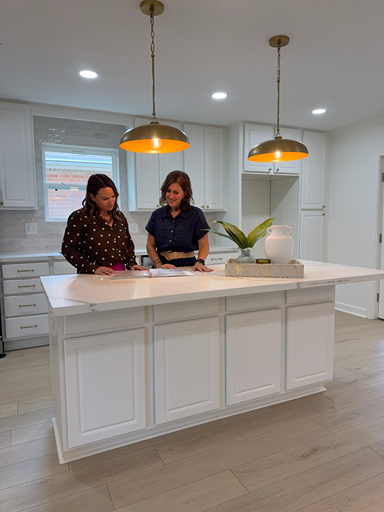
Yes, you can buy and sell a home at the same time in New Orleans, and it’s one of the most common situations we help clients through. It takes a clear plan, but it does not have to mean living out of boxes or carrying two mortgages you can’t afford.
If you’re thinking about it, you’ve probably already asked yourself:
- Should I sell first or buy first?
- What if my home doesn’t sell fast enough?
- Can I actually afford both mortgages, even for a little while?
- Where would I even live in between?
Here’s how we walk clients through it.
The three things you’re actually balancing
Every move-up buyer is juggling the same three things at once:
Timing. When your current home sells versus when your new home closes.
Money. Your equity, your down payment, and whether there’s a gap to bridge.
Housing. Where you’ll live during the transition, if there is one.
Once you understand how these three fit together, it’s a lot easier to build a plan that actually works for your situation instead of guessing your way through it.
Option 1: Sell first (lower risk)
This is the safer financial choice for most people. You know exactly how much money you have, you’re not carrying two mortgages, and you’re negotiating from a stronger position.
The tradeoff is you might need somewhere to land temporarily, and you could feel pressure to buy something before you’re ready.
The good news: there are a few solid backup plans, and the key is deciding which one you’re comfortable with before you list.
A furnished short-term rental. Gives you flexibility, no long-term lease, and time to shop without pressure.
Staying with family or friends. Not for everyone, but it saves money and lets you search patiently. Works best when expectations and timelines are talked through upfront.
A traditional rental lease. Sometimes necessary if inventory is tight, but watch for early termination fees, and know that moving twice adds cost and stress.
A rent-back. This is often the smoothest option when it’s available. You sell your home but stay in it for a set period, usually 30 to 60 days, while you search. No temporary housing, no storage, and more time to find the right next home.
Selling first doesn’t mean you’re left without a place to go. It means you’ve got a plan for the in-between.
Option 2: Buy first (more convenience, more risk)
This works best if you have strong finances and you’re in a competitive market. You skip temporary housing and moving twice, but you’re carrying two homes at once, which means more financial risk and a harder time qualifying for the new loan.
If you’re leaning this direction, you’ll want one or more of the following in place:
Cash reserves to cover both payments until your current home sells.
A bridge loan or HELOC to access equity for your down payment before your current home sells. This has to be coordinated closely with your lender.
A contingency plan, meaning you know how long you can carry both homes, what price point gets you a faster sale, and whether you’d adjust pricing quickly if you needed to.
A strong listing strategy. When you buy first, selling quickly becomes the priority. Pricing it right from day one, professional photos, and real staging all matter more here, not less.
There’s also a middle option: writing an offer on your next home that’s contingent on your current home selling. It protects you financially, but in a competitive market, sellers often prefer offers that aren’t contingent on anything. It tends to work best when your home is already listed, priced right, and in strong showing condition.
Getting your current home ready
Whichever direction you go, your current home is doing double duty. It’s your down payment, your negotiating power, and your timeline control, all at once.
You don’t need a full renovation. Focus on what actually moves the needle:
- Declutter every room so buyers can picture their life there, not yours
- A fresh coat of neutral paint on walls and trim
- Fix the small stuff, loose handles, dripping faucets, squeaky doors
- Deep clean everything, floors, windows, appliances, closets
- Boost curb appeal with mulch, trimmed hedges, and a clean walkway
- Light staging, which doesn’t mean new furniture, just working with what you have
Most buyers see your home online before they ever walk through the door, so bright, clutter-free, and neutral matters more than people think.
Lining up the timeline
Here’s the general flow we walk clients through:
Prep your current home, list it, start house hunting, accept an offer on your home, write an offer on your next one, then coordinate closings.
Extended closings, rent-backs, and flexible possession dates can all help bridge the gap between the two, and this is where having an agent who’s done this before really matters. Every contract has room to negotiate timing if you know where to push.
The mistakes we see most often
Shopping before you know your real budget. Skipping prep on your current home. Assuming timing will just work itself out. Stretching your finances too thin. Trying to coordinate all of it without help.
Buying and selling at the same time can feel like a lot. With the right plan, accurate numbers, and an agent who’s walked other families through it, it becomes a smooth transition instead of a scramble.
If you’re thinking about making a move and want to talk through what your specific timeline and numbers could look like, just let us know. We’d love to help you map it out.
Robyn and Amanda